
 Click the logo to be redirected to the page



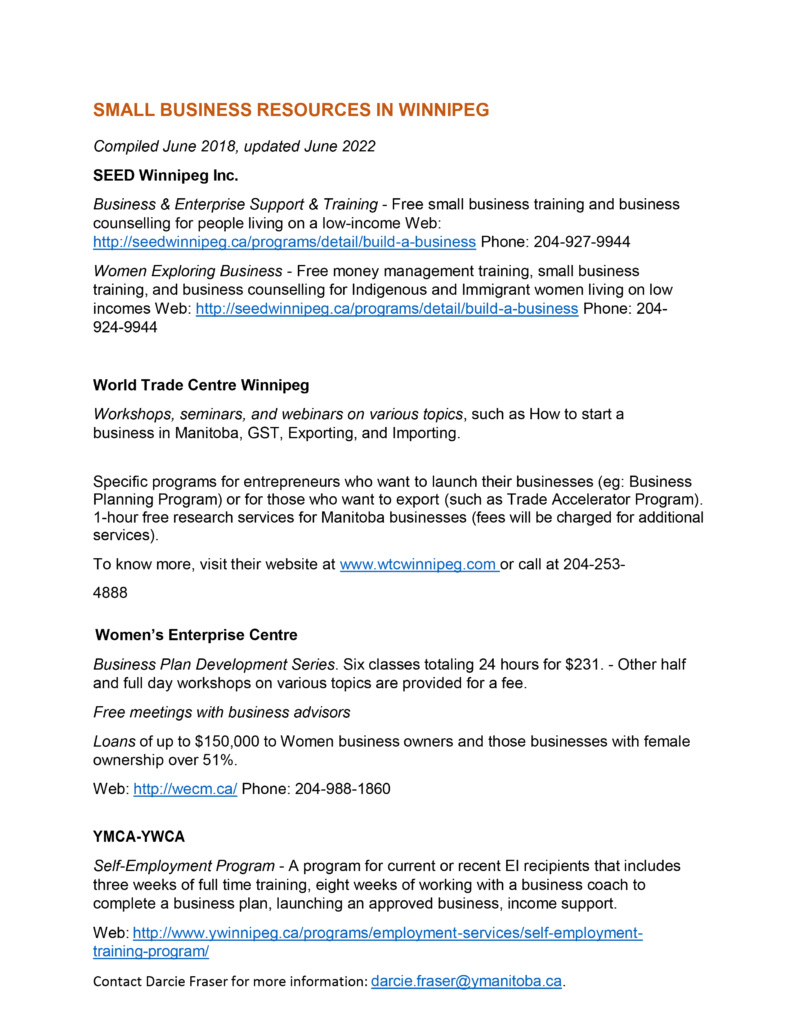
2026 is upon us, and where does the City of Winnipeg stand? As business owners looking toward the future, we hoped population growth and economic development would make things easier. We survived the pandemic, and we will survive whatever 2026 throws at us. However, we are currently facing massive obstacles to running a small business: rising inflation, the cost of goods, tariffs, wages, taxes, licensing, and utilities. But the biggest obstacle of all is crime.
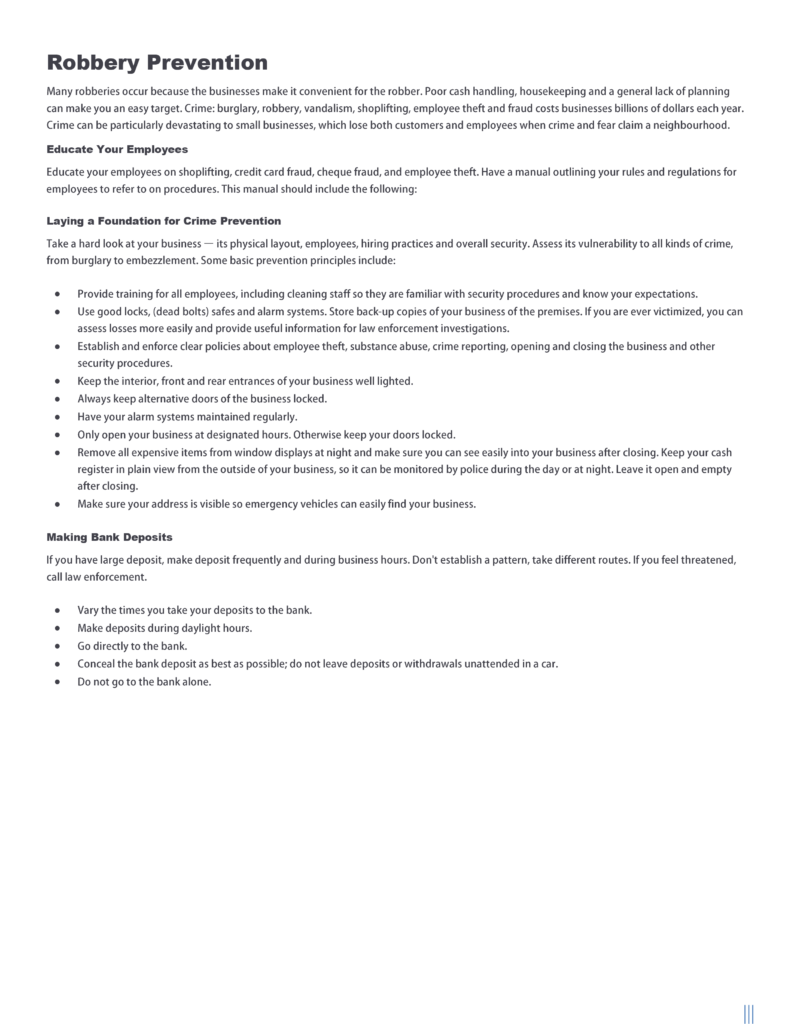
Dealing with shoplifting, vandalism, and violence is not something a business should have to handle alone. We should not have to put our staff through self-defense courses just to work in retail. The public does not realize the extent of what we deal with. Shoplifting is only a small part of the problem, the perpetrators are becoming more brazen and organized. They work in groups or even large packs, often turning to violence, whether using bear mace or brandishing weapons to threaten staff and retailers.
Then there are the repercussions of calling the police. Between the vandalism, the graffiti, and the worst-case scenario of staff living in fear, one has to wonder: how did it get this bad? There are many reasons, but what we need to do is figure out a solution.
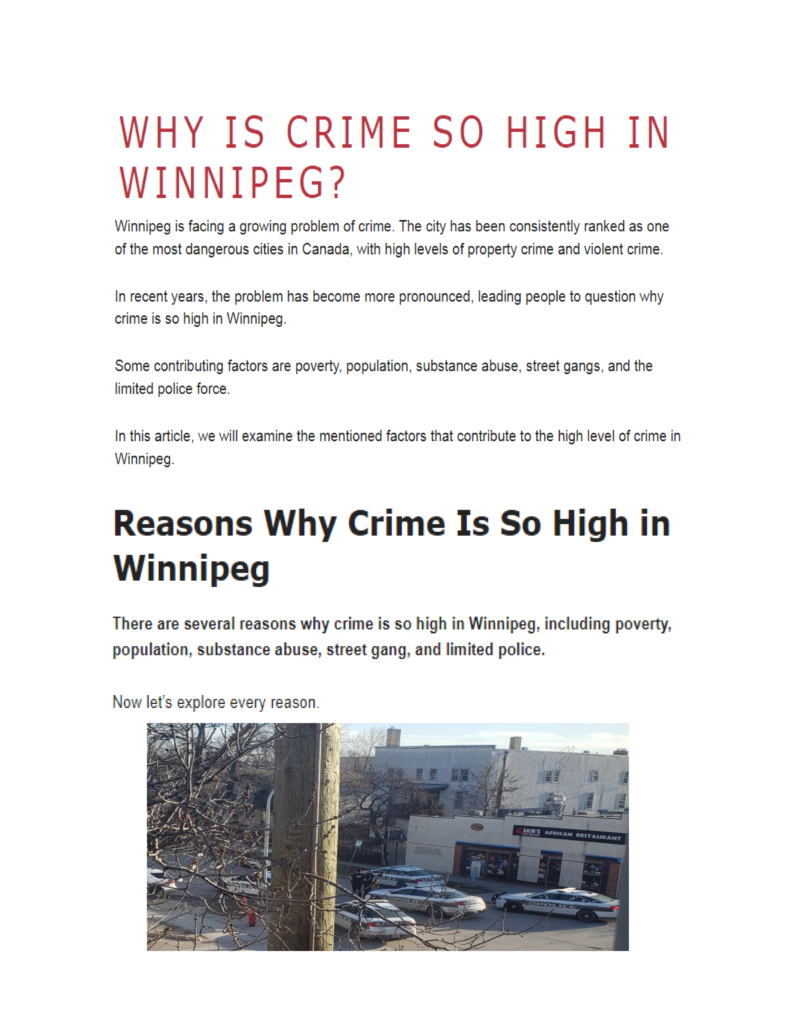
The statistics tell part of the story. In 2010, the estimated population of Winnipeg was 677,600. By 2025, that estimate rose to 867,000, representing an increase of nearly 190,000 people. In 2010, the city police department had approximately 1,400 sworn officers. For 2024 and 2025, that number sits at approximately 1,355 officers. As the city grew by almost 200,000 people, our police force decreased by 45 officers. Furthermore, we must account for the fact that 15 years later, many of our resources are tied up in new specialized units such as cyber crime, tactical and social response, and AI or drone patrols.
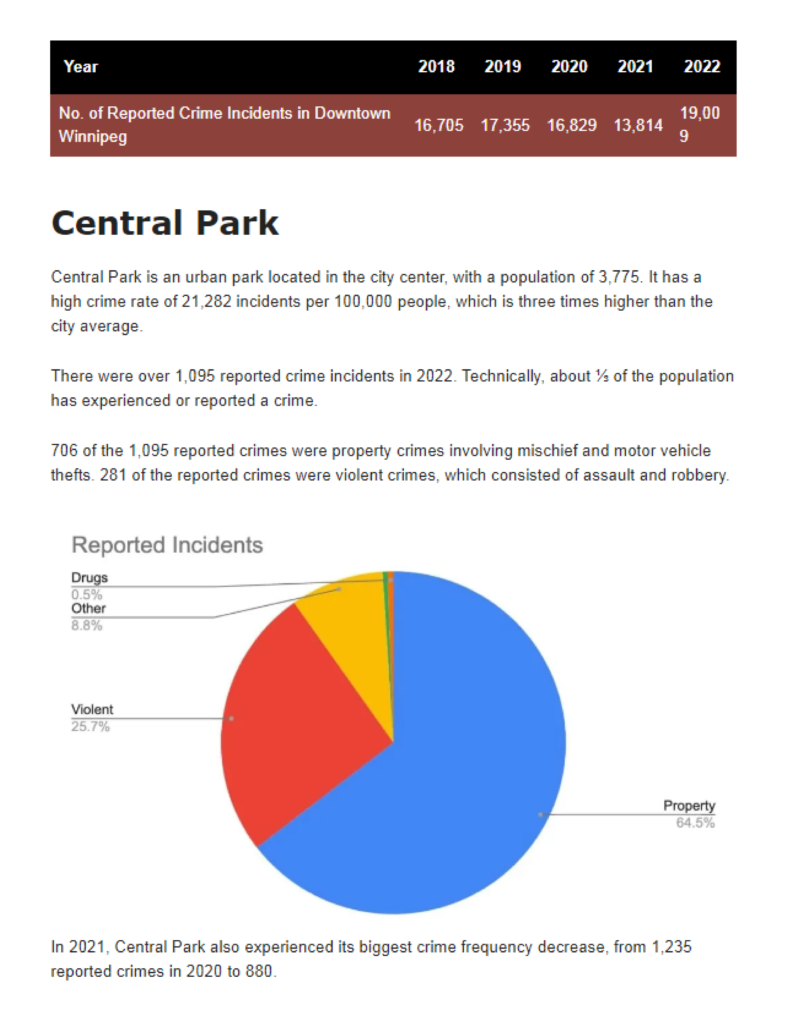
With all these new units and a massive population jump, one has to ask how the police force is managing. Is there a Robocop working for us that people don’t know about? Crime is running rampant in our city. Seniors are being attacked in parking lots, stabbings occur in Walmarts, and drug deals are now as common as a hot dog vendor on a street corner. Where is it safe? You can’t even go shopping without fearing for your life.
The city feels more like Gotham every day. Almost every small business you visit now either has security or requires you to be buzzed in. People wonder why small businesses are closing their doors and why most restaurants are struggling to stay open. Let’s not forget going to the hospital, where you feel like you are walking through an airport security checkpoint.
We keep talking about the drug problem that is consuming our city, stealing our children, and tearing down our communities. It is not just police we need, we need proper infrastructure for the population of this city. That includes fire, medical, and mental health workers, and yes, the citizens themselves. As Winnipeggers, we need to step up and take back our streets. We must work together with our law enforcement and be part of the solution rather than the problem.
Is there an easy solution? No. Where will the money come from? That is the bigger question. I am not saying we shouldn’t spend $21 million on opening Portage and Main, but maybe we should focus on the bigger picture: safety for our citizens, clean streets, a roof over the head of everyone who lives in Winnipeg, and ensuring everyone in this city is able to eat every day.
We do not need safe injection sites or vans giving out needles. We need to help these people with addiction through community programs and support units that focus on helping them leave drugs and gangs behind to be part of this great city. We rely on the police to deal with the problems we see every day, but the fact is, it is our collective responsibility. When you live in a city, you are part of a community. If you see a crime, you report it. Do not buy stolen goods like food or tools just because they are cheap. You are not helping anyone, you are supporting drugs and crime.
The people who commit robberies or bring drugs and violence to our streets are not just statistics, they are someone’s children. Every time we look at them with disgust or dismiss them based on cleanliness, race, age, or gender, we must remember we are all people living in the same city. Whether rich or poor, we all have a beating heart in our chest, some people just don’t use it.
As the population keeps growing toward the one-million mark, we need to remember that the grassroots of a great city is working together. As individuals, corporations, charities, and government officials, we will be able to build a safer and stronger community as the population grows.
Michael Paille
Sargent Business Community